In 1992, the Federal Government introduced Chapter 419 Criminal Code to protect the wealthy citizens of oil-rich Nigeria from the Advance fee fraud. The collapse of western economies in the early 1980s encouraged desperate individuals to attempt to persuade victims to advance relatively small sums of money in the hope of realizing a much larger gain. Among the variations on this type of scam are the English Letter and "The Spanish Prisoner."
The Spanish Prisoner is a confidence trick dating back to 1588. In its original form, the confidence artist tells his victim that he is in correspondence with a wealthy person of high estate who has been imprisoned in Spain (originally by King Philip II) under a false identity. The alleged prisoner cannot reveal his identity without serious repercussions, and is relying on the confidence artist to raise money to secure his release. The confidence artist offers to let the mark supply some of the money, with a promise that he will be rewarded generously when the prisoner returns; financially and perhaps also by being married to the prisoner's beautiful daughter. However, once the mark has turned over his money, he learns that further difficulties have arisen, requiring more money, until the mark is cleaned out and the game ends.
More recently, though most 419 scams are perpetrated by e-mail alone, some scammers enhance the believability of their offer through the use of a sham website. Such websites can imitate real sites such as eBay, PayPal or a banking site like Bank Of America for the purposes of phishing, while others are totally fictional and used to lend credibility to a scammer's story. For example, a scammer may create a website for a fictional bank, then give the victim details to login to the site, where the victim then sees the money that the scammer has promised sitting in the account. The victim is then more likely to believe the scammer and send the requested advance payments. Fake websites are the centerpiece of false online storefront scams.
The journalist Robert Harris investigated the use of sham web sites in his 2005 publication Enigma: from Alan Turing to the Spanish Prisoner. The title of the book is cruel reference to the glory days of British computing technology at Bletchley Park, when the cracking of the German military code proved vital in winning World War Two. |






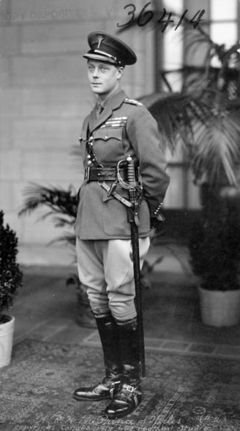
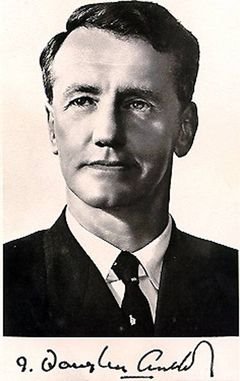



 I deem him one of the greatest beings alive in our time. I do not see his like elsewhere. I fear whatever our need we shall never see his like again. King George V wrote to his brother, 'His name will live in history". That is true. It will live in English letters; It will live in the annuls of war; it will live in the traditions of the Royal Air Force and in the legends of Arabia'